
In my earlier blog on Leadership and Self-Deception, I explored how self-betrayal leads us “into the box,” distorting how we see ourselves and others. That book helped explain why well-intentioned leaders sometimes create resistance, mistrust, and disengagement—often without realizing it.
The Anatomy of Peace, also by the Arbinger Institute, picks up exactly where that conversation left off. If Leadership and Self-Deception explains how we get trapped, The Anatomy of Peace goes further to explain why conflict persists within teams, organizations and relationships. And what it truly takes to resolve it.
The book argues that conflict is not primarily about behavior, communication, or systems. Instead, it begins with something more fundamental: the condition of the human heart.
The Heart of Peace
The starting point of The Anatomy of Peace is simple yet confronting.
- When my heart is at peace, I see others as people.
- When my heart is at war, I see others as objects.
This distinction matters because our effectiveness as leaders is shaped less by what we do and more by how we see. A heart at peace allows openness, accountability, and honest engagement. A heart at war, even when hidden behind logic or professionalism, quietly fuels conflict.
Collusion: How Conflict Sustains Itself
When hearts are at war, conflict does not merely exist: it feeds on itself.
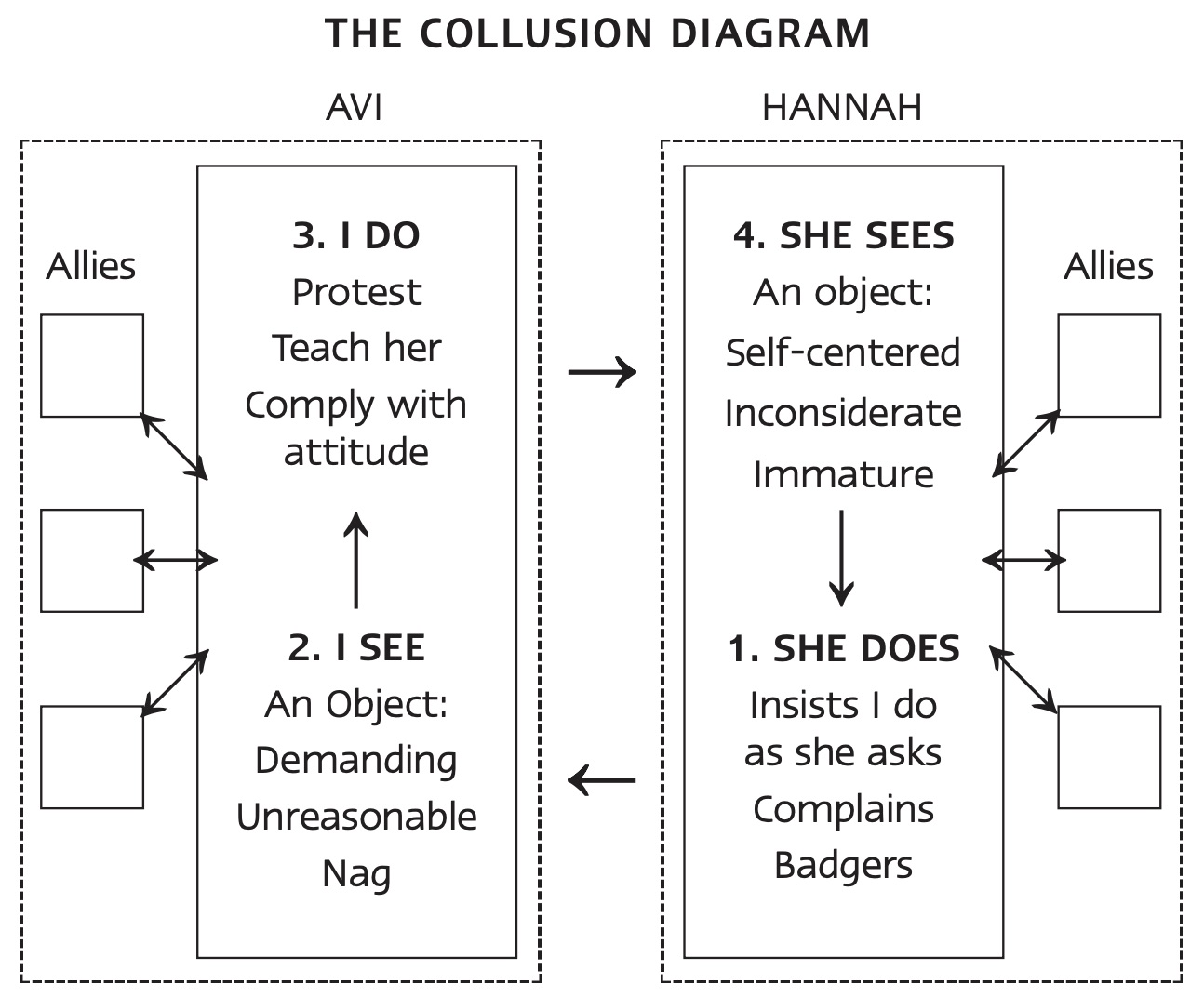
The book introduces the idea of collusion, illustrated through the Collusion Diagram. In collusion:
- I act from a heart at war.
- My actions provoke resistance or defensiveness in others.
- I use their response to justify my original stance.
- Both sides feel validated and more entrenched.
What feels like self-defense becomes mutual reinforcement. Each person’s behavior becomes proof that the other is the problem. Conflict persists not because issues are unsolvable, but because hearts remain at war.
From Peace to War
The book makes an important clarification: peace is the natural starting point. We do not begin in conflict. We move into it.
That movement happens when we resist acting in line with what we sense we should do for another. As justification begins, the heart shifts from peace to war and we enter familiar patterns the book refers to as “boxes.”
The Boxes We Enter
Each box is characterized by four elements: how I see myself, how I see others, how I see the world, and how I feel. There are four typical boxes we enter: Better-Than Box, I-Deserve Box, Need-to-Be-Seen-As Box and Worse-Than Box.
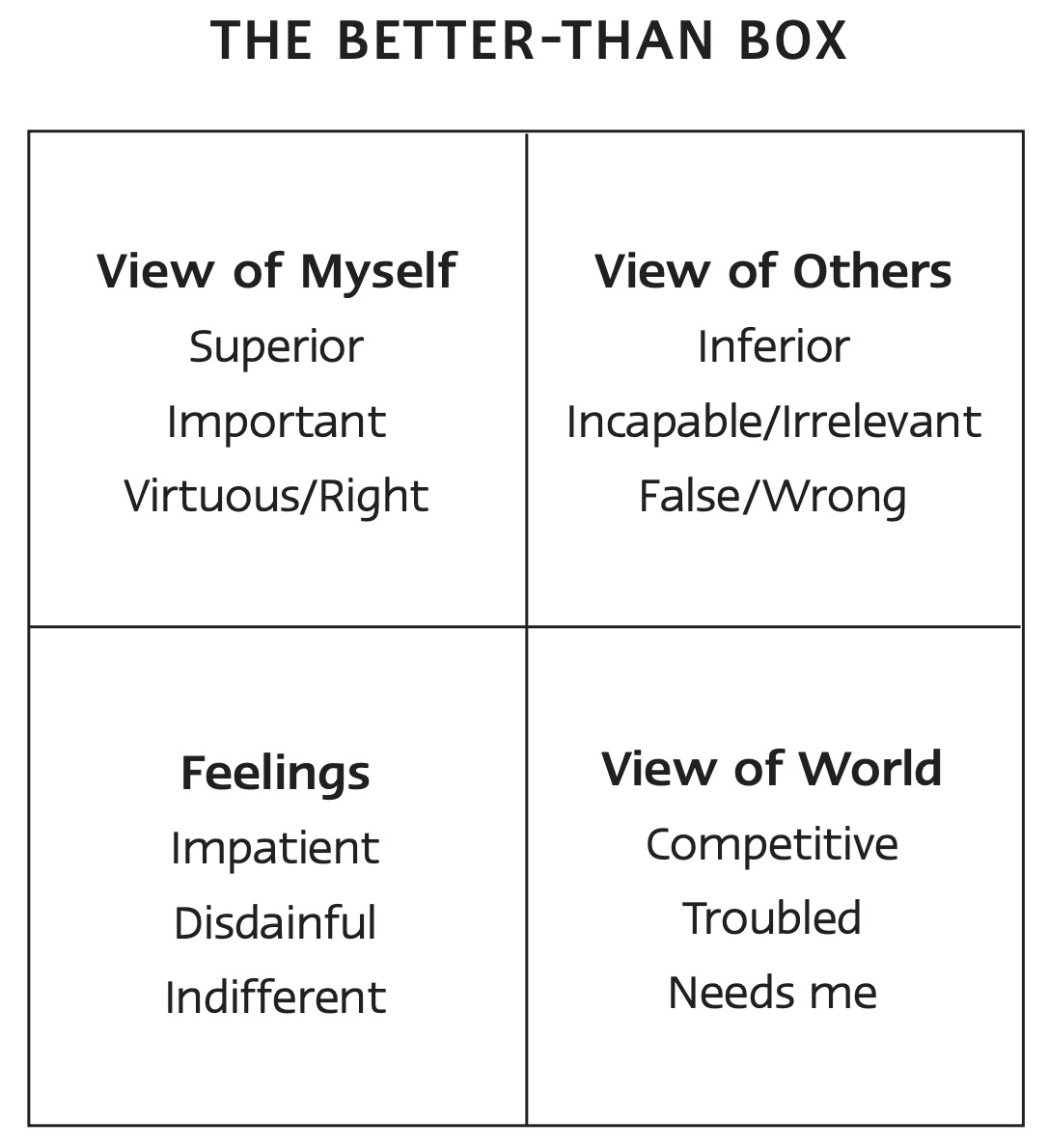
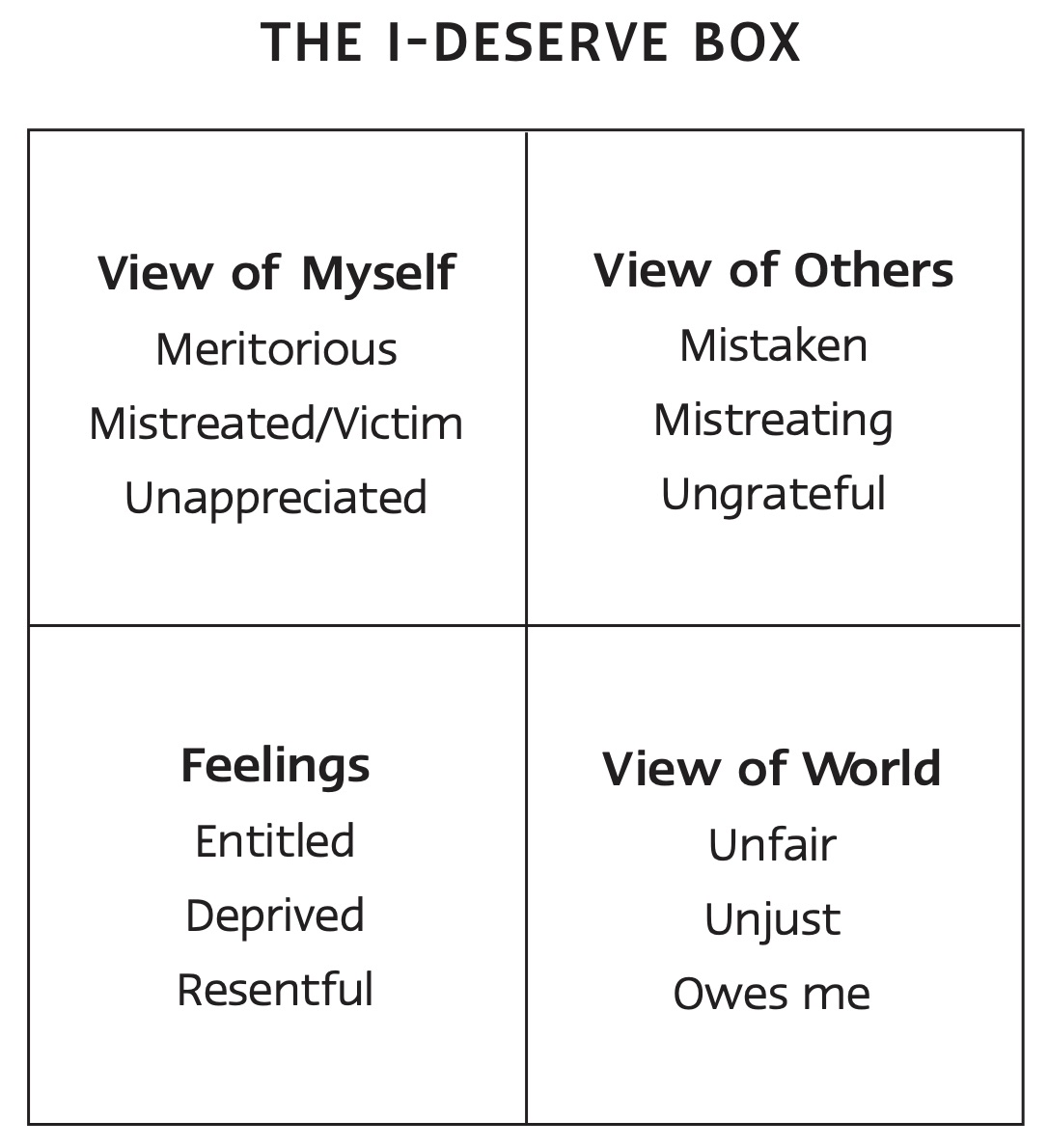
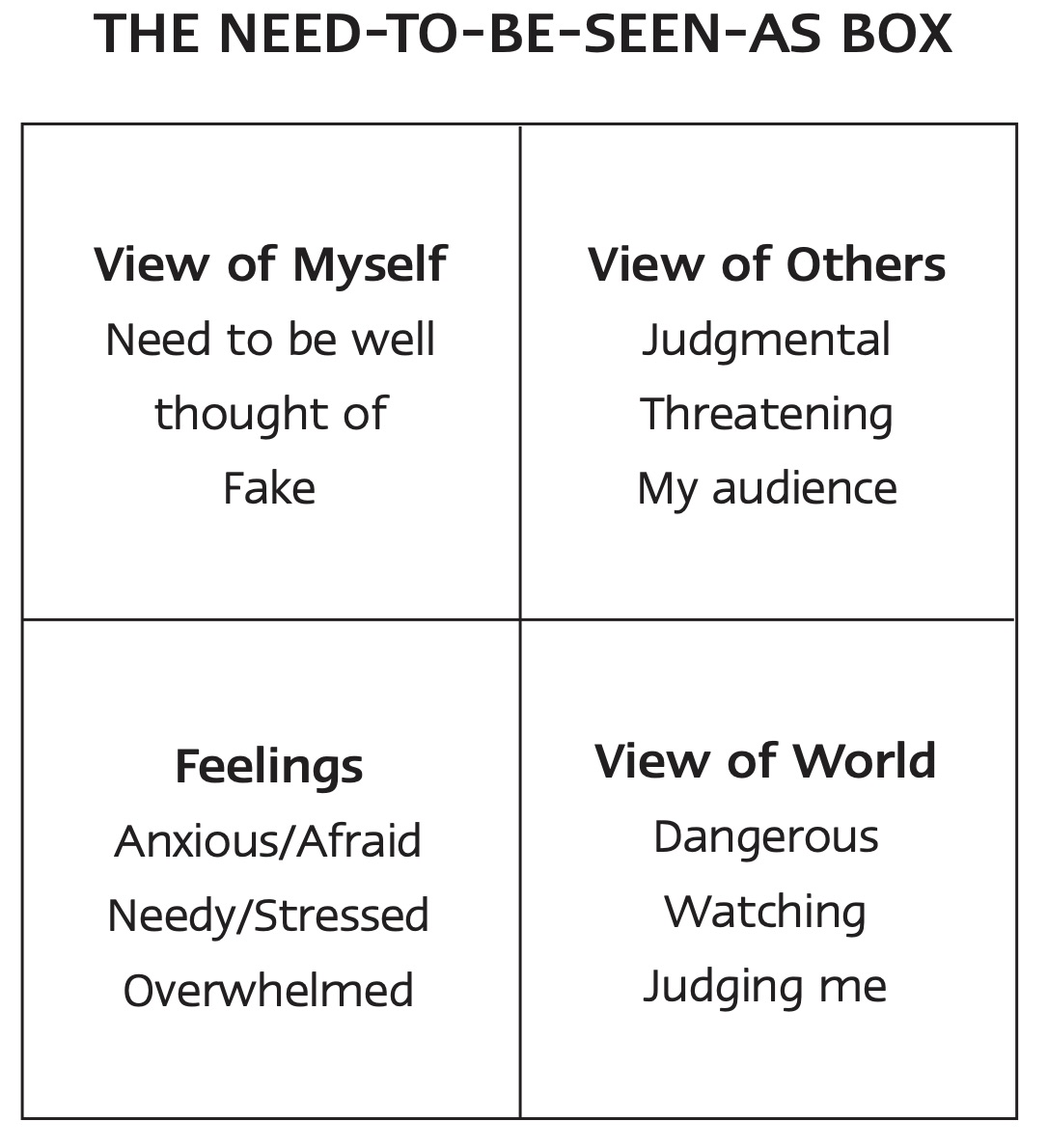
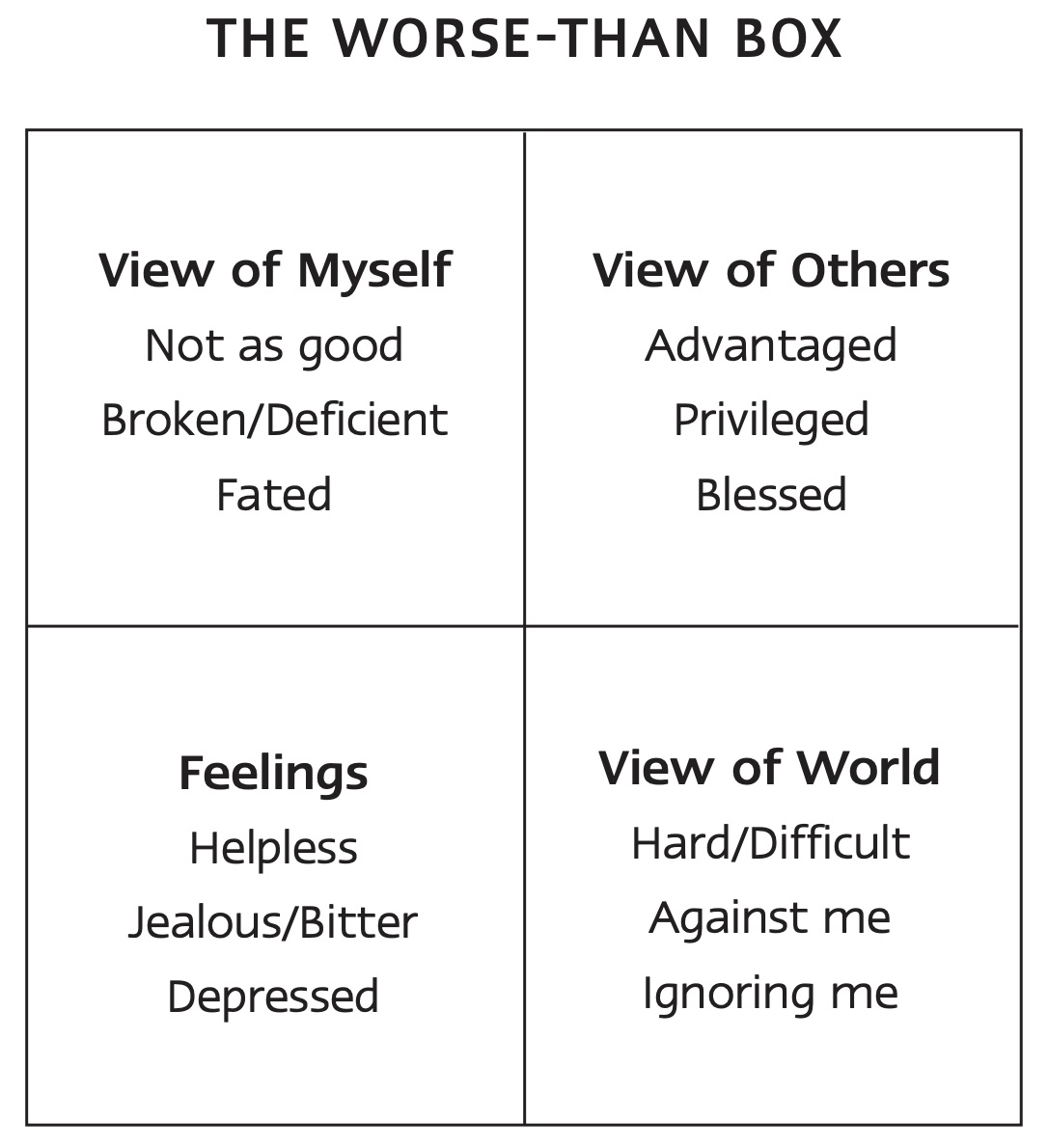
Though these boxes look different, they all share one outcome: others stop being seen as people.
From War to Peace
Moving from war back to peace is not about winning arguments or changing others. It is about recovering clarity.
The book describes this recovery as a process:
- First, I notice that my heart is at war.
- Next, I acknowledge my role in sustaining the conflict.
- Then, I let go of the need to justify myself.
- Finally, I begin to see others as people again.
Peace does not require agreement. It requires honesty. When justification fades, clarity returns and with it, the ability to act constructively.
Spreading Peace
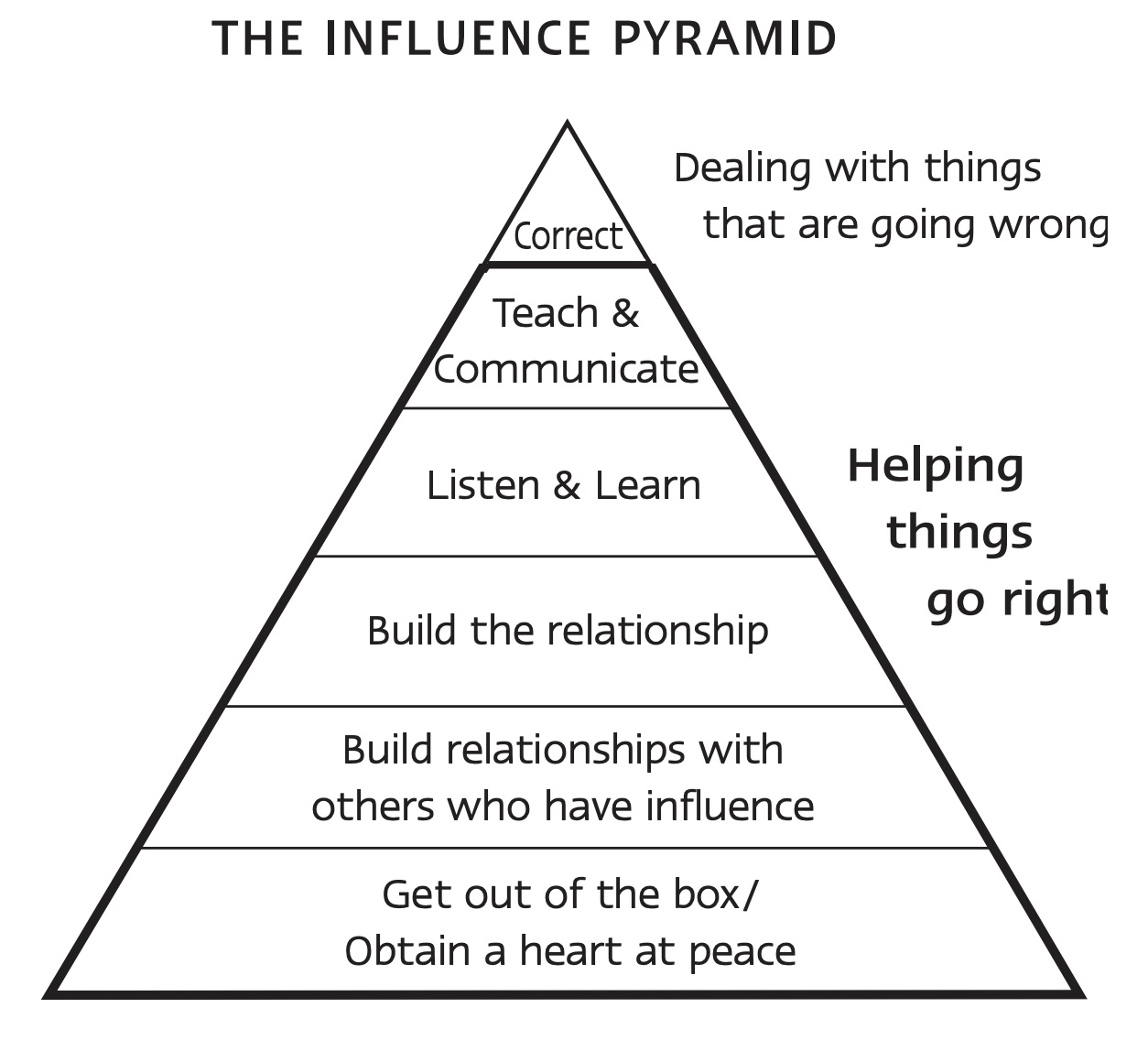
Peace is not passive, and it is not private. A leader’s mindset shapes culture.
The book shows that influence flows from how we are with others, not just what we do. When leaders operate from peace, accountability becomes cleaner, conversations become more direct, and resistance reduces naturally.
Conclusion: What This Book Teaches Us
The Anatomy of Peace reinforces a powerful leadership truth: conflict cannot be resolved at the level at which it is sustained. As long as we focus only on behavior, communication, or process, we miss the real source.
The book challenges leaders to look inward before looking outward to examine how they see others, especially when things are hard. Peace begins when we stop justifying ourselves and start seeing people as people again.
For leaders, that shift changes everything.